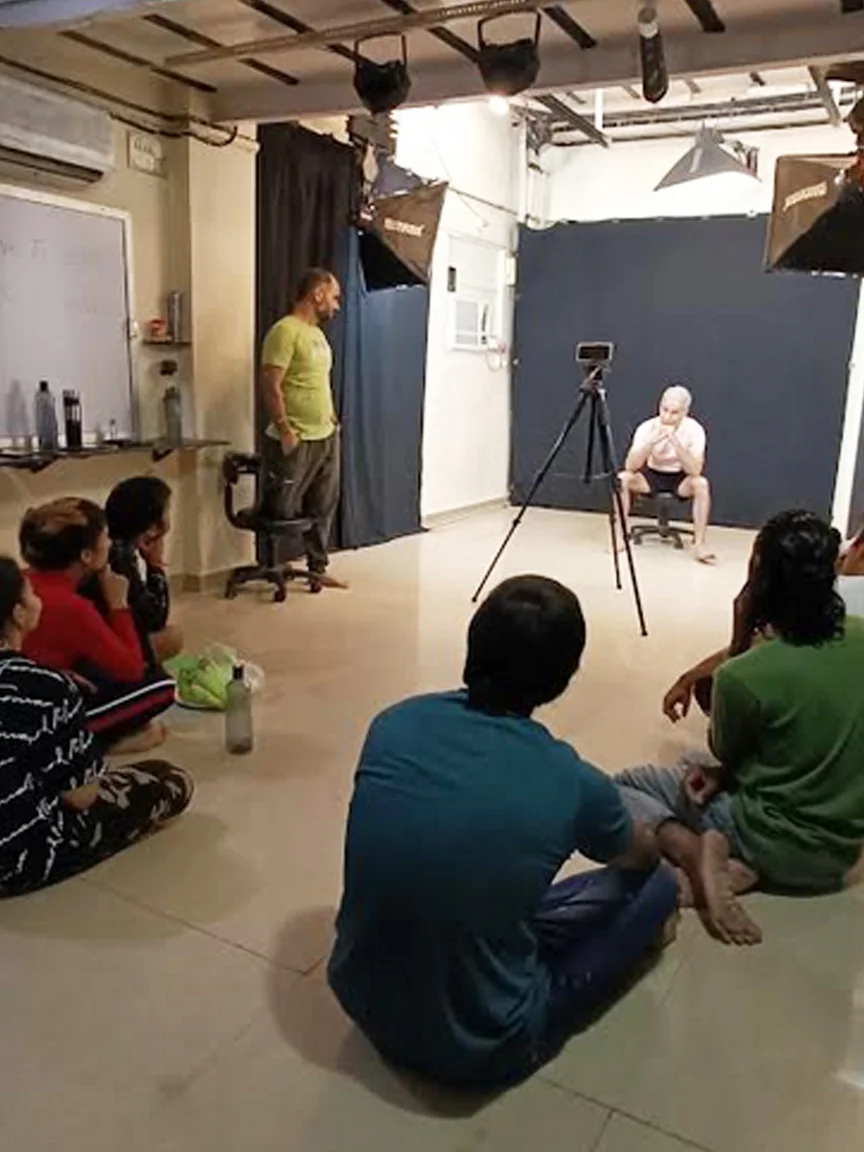
Acting is no longer limited to traditional classrooms or theatre spaces. With digital learning booming, aspiring actors today have two powerful options—Online Acting Training and Offline (In-Person) Acting Training.
But the big question remains:
Which one is right for YOU?
The truth is—both formats work, but in different ways. Your choice depends on your goals, learning style, schedule, and comfort level. Let’s break it down.
Why Acting Training Matters
Before choosing the format, remember this:
Acting is a skill.
Not a talent.
Not a gift.
A skill that improves with guidance, practice, feedback, and performance.
Professional training helps you:
- Build confidence
- Master expressions & emotions
- Improve voice and diction
- Understand camera and stage techniques
- Prepare for auditions
- Become industry-ready
Now, let’s explore both learning methods.
ONLINE ACTING TRAINING
Best For:
- Students with busy schedules
- People living far from training studios
- Beginners wanting affordable learning
- Working professionals
Benefits of Online Training
Flexibility & Convenience
Learn from anywhere—home, hostel, or office. No travel. No fixed location.
Cost-Effective
Online programs often come at lower fees, with no travel or accommodation expenses.
Comfortable Learning for Beginners
Shy or camera-conscious students find it easier to open up in a familiar environment.
Digital & Camera-Focused Skills
Since most activities happen online, students naturally become camera-confident—perfect for auditions, self-tapes, and reels.
Access to Experts Worldwide
No location limits—you can learn from top trainers, regardless of city or country.
Challenges of Online Training
- Limited physical movement and stage space
- Harder to learn body language techniques
- Requires stable internet
- Less real-time performance energy
OFFLINE (IN-PERSON) ACTING TRAINING
Best For:
- Students who want full physical training
- Theatre-focused learners
- People who learn better with live interaction
- Those preparing for stage performances
Benefits of Offline Training
Real Stage & Space Experience
Acting needs physicality—movement, posture, blocking, gestures. In-person training gives you the space to explore that.
Stronger Group Interaction
You feel the energy of co-actors, audience reactions, and live dynamics—something online can’t fully recreate.
Hands-On Guidance
Trainers can observe body language closely and correct instantly—voice projection, stance, expressions, presence.
Better Networking
You meet fellow actors, directors, trainers, and industry contacts—great for future opportunities.
Boosts Confidence in Live Performances
The stage becomes your comfort zone—not your fear zone.
Challenges of Offline Training
- Requires travel and fixed schedules
- Higher cost in some cases
- Limited access if you live far from training centers
So… Which One Is Better?
There’s no single winner.
Online training wins in convenience, affordability, and camera confidence.
Offline training wins in physicality, energy, and stage experience.
The best format depends on what YOU need right now.
How to Decide
Ask yourself:
✅ Do I want flexibility? → Online
✅ Do I want stage presence & physical training? → Offline
✅ Am I preparing for camera auditions & self-tapes? → Online
✅ Do I learn better with real people, real energy? → Offline
✅ Is networking important for me? → Offline
✅ Am I just starting and want a low-pressure start? → Online
Our Recommendation: The Hybrid Advantage
The most powerful combination today?
Start Online to build basics, confidence & camera skills
Continue Offline to train physically and perform live
This gives you:
✅ Complete skill development
✅ More practice opportunities
✅ Both camera & stage readiness
The industry now demands versatile actors—and hybrid learning builds exactly that.
Final Takeaway
Both online and offline acting training can shape successful actors.
The right format is the one that:
✅ Fits your lifestyle
✅ Matches your goals
✅ Makes you consistent
✅ Helps you grow
What matters most isn’t the platform—it’s your passion, practice, and willingness to learn.